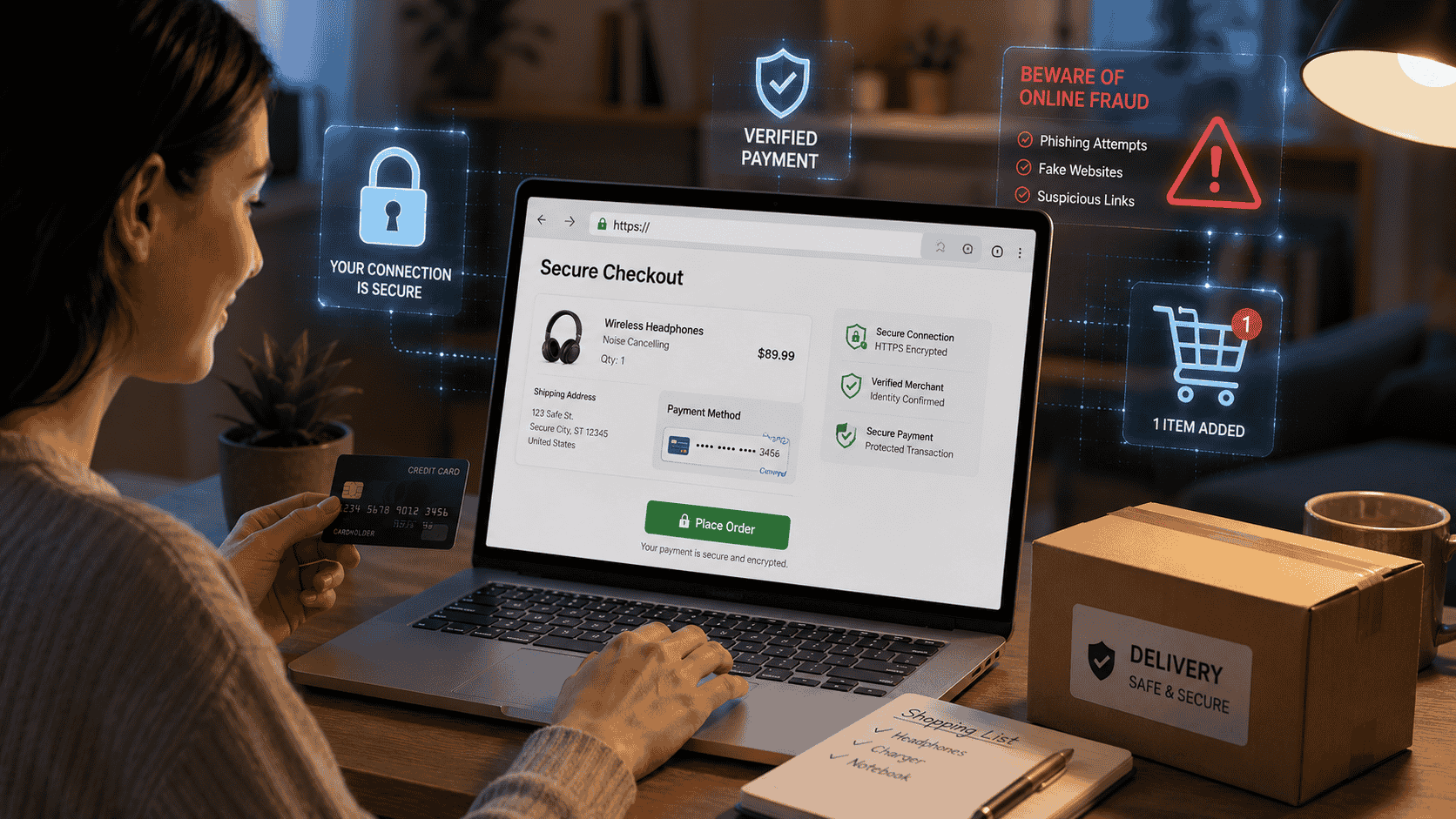
How to Stay Safe While Shopping Online
Online shopping has changed how we purchase goods and services. Now, with just a few clicks, you can buy groceries, clothes, electronics, books, and household items from the comfort of your home. The ease, competitive prices, and vast variety provided by online stores have integrated e-commerce into the daily lives of millions around the globe. By adopting some basic Digital security practices, you can greatly lower the risk of falling victim to online scams.
Why Online Shopping Safety Matters
When you shop online, you typically provide sensitive information such as your name, shipping address, payment details, and occasionally your phone number or email. If this data is captured by malicious sites, it can result in identity theft, unauthorized purchases, or compromised accounts.
Spending a little extra time to ensure a website is trustworthy can help you avoid serious financial and personal harm. Here are some effective ways to stay safe while shopping online:
* Shop Only on Trusted Websites
One of the most effective ways to stay safe is to buy from reputable online retailers that you know.
Before making a purchase:
- Check the website’s reputation.
- Read customer reviews from multiple sources.
- Verify the company’s contact information.
- Look for clear return and refund policies.
- Confirm that customer support is available.
If you’ve never heard of a retailer and the prices seem unusually low, take extra time to research the business before entering your payment details.
* Check for HTTPS Encryption
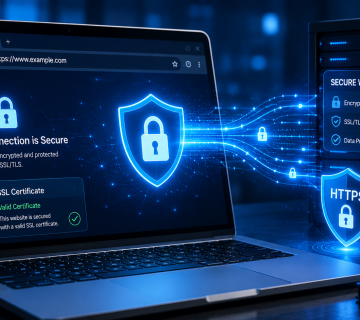
Before entering personal or financial information, make sure the website uses HTTPS encryption.
You can verify this by:
- Looking for https:// at the beginning of the web address.
- Checking for a padlock icon in your browser’s address bar.
HTTPS encrypts the data exchanged between your browser and the website, helping protect it from interception.
Keep in mind that HTTPS alone does not guarantee a website is trustworthy, but its absence is a major warning sign.
* Be Wary of Deals That Seem Too Good to Be True
Scammers frequently lure shoppers with unbelievably low prices on popular products.
Be cautious if a website advertises:
- Brand-new electronics at extremely discounted prices.
- Luxury items for a fraction of their normal cost.
- Limited-time offers that pressure you to buy immediately.
If an offer seems unrealistic, it probably deserves closer scrutiny.
* Use Strong, Unique Passwords
If you create accounts with online retailers, protect them with strong, unique passwords.
Avoid reusing the same password across multiple shopping websites. If one retailer experiences a data breach, reused passwords could allow attackers to access your other accounts.
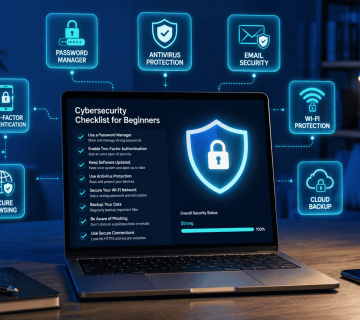
A password manager can help generate and securely store unique passwords for every website you use.
* Enable Two-Factor Authentication (2FA)
Whenever an online shopping platform offers Two-Factor Authentication, enable it.
With 2FA, you’ll need both your password and a second verification method—such as an authentication app or one-time code—to access your account.
This significantly reduces the risk of unauthorized access if your password is stolen.
* Pay with Secure Payment Methods
Your choice of payment method can affect how well you’re protected against fraud.
Consider using:
- Debit or Credit cards with fraud protection.
- Trusted digital wallets such as Apple Pay or Google Pay.
- Secure payment services like PayPal, where available.
Avoid paying unfamiliar sellers using methods that offer little or no buyer protection, such as direct bank transfers, prepaid gift cards, or cryptocurrency, unless you fully trust the recipient.
* Review Seller Policies
Before completing your purchase, review the retailer’s:
- Return policy.
- Refund policy.
- Shipping information.
- Warranty details.
- Customer support options.
Transparent policies are often a good indicator of a legitimate business.
* Monitor Your Financial Statements
After shopping online, regularly review your:
- Card statements.
- Bank account activity.
- Digital wallet transactions.
Look for:
- Unknown charges.
- Duplicate transactions.
- Purchases you didn’t authorize.
* Avoid Saving Payment Information Everywhere
Many online retailers allow you to save your credit card details for faster checkout.
While convenient, storing payment information across multiple websites can increase your risk if one of those sites experiences a data breach.
Consider saving payment methods only with trusted retailers you use regularly.
KEYNOTES
- Shop only with reputable retailers.
- Check that websites are secure before making purchases.
- Use strong, unique passwords for your accounts.
- Enable Two-Factor Authentication (2FA) for added protection.
- Avoid clicking on suspicious links or messages.
- Review your bank statements regularly for unusual activity.
- Be cautious of deals or prices that seem too good to be true.
Want to Learn More? Explore our detailed articles on the topics covered in this guide. Click the highlighted links to dive deeper or visit our blog for additional guides, tips, and helpful resources. Stay informed and continue building your knowledge.
You can rely on www.askmyquestions.com for trusted guidance and assistance.