Vehicle Dashboard Warning Lights Explained
Understanding Warning Light Colors
Many vehicles use different colors to indicate the general level of attention required.
Green or Blue Lights
Green and blue lights usually indicate that a vehicle system or feature is active.
For example, a green indicator may show that your headlights or turn signals are operating. A blue light may indicate that high-beam headlights are switched on.
These lights do not usually indicate a fault.
Yellow or Amber Lights
Yellow or amber warning lights generally indicate that a system requires attention, inspection, or service.
The vehicle may still be safe to drive in some situations, but you should not ignore the warning. The meaning and urgency depend on the specific symbol and vehicle.
Red Warning Lights
Red warning lights can indicate a potentially serious problem or a condition requiring immediate attention.
For example, a red warning may relate to engine temperature, oil pressure, or the braking system.
If a red warning light appears, reduce risk by responding safely and checking the vehicle owner’s manual. Depending on the warning, continuing to drive may cause serious damage or create a safety hazard.
Check Engine Warning Light
The check engine light is one of the most common dashboard warnings.
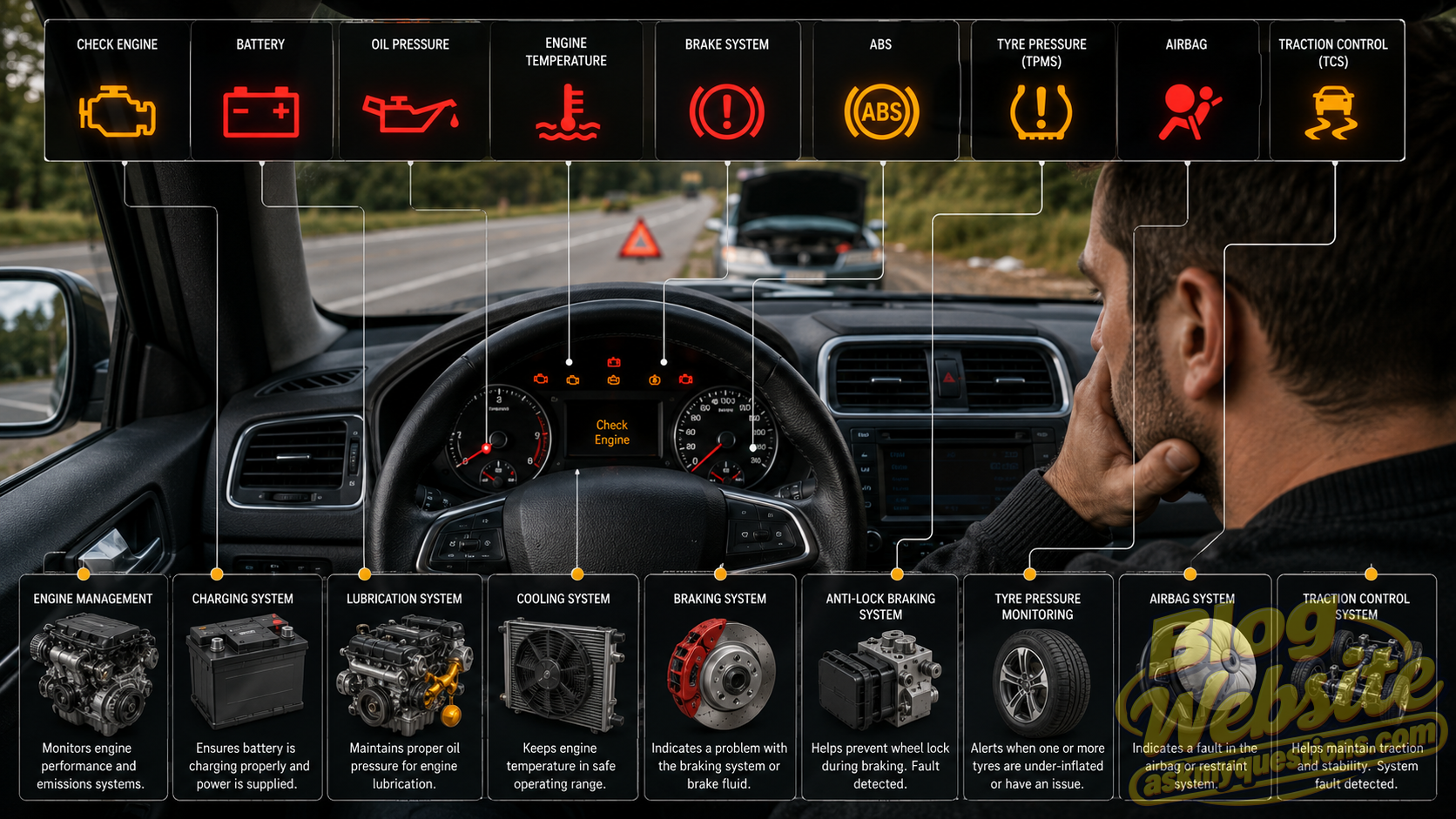
It usually appears as an outline of an engine and may indicate that the vehicle’s onboard diagnostic system has detected a problem.
Possible causes can range from relatively minor issues to more serious engine or emissions-related faults.
Examples may include:
- A loose or faulty fuel cap on some vehicles
- Sensor problems
- Ignition or fuel system issues
- Emissions system faults
- Engine misfires
A steady check engine light may allow the vehicle to continue operating, but the problem should be diagnosed as soon as practical.
A flashing check engine light can indicate a more urgent condition on some vehicles, such as an active engine misfire. Reduce driving and follow the vehicle manufacturer’s instructions.
Engine Temperature Warning Light
The engine temperature warning light often looks like a thermometer above wavy lines.
This warning may indicate that the engine is overheating or that the cooling system is experiencing a problem.
Possible causes include:
- Low coolant
- A coolant leak
- A faulty thermostat
- A failed water pump
- A damaged radiator
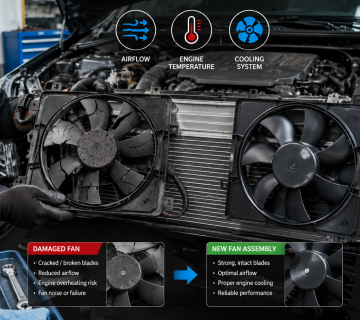
- A faulty cooling fan
If your vehicle indicates overheating, pull over safely as soon as conditions allow and turn off the engine.
Allow the engine to cool before inspecting it. Never open a radiator cap or pressurized coolant system while the engine is hot, as hot coolant and steam can cause serious burns.
Persistent overheating should be inspected and repaired before the vehicle is driven normally again.
Oil Pressure Warning Light
The oil pressure warning light often resembles an oil can.
This warning does not simply mean that your vehicle needs an oil change. It may indicate that the engine is experiencing low oil pressure.
Possible causes include:
- Low engine oil
- An oil leak
- A faulty oil pump
- A blocked oil passage
- A faulty sensor
Low oil pressure can cause serious engine damage because engine components may not receive adequate lubrication.
If this warning appears while driving, stop the vehicle safely and switch off the engine as soon as appropriate. Check the owner’s manual and seek professional assistance before continuing to drive if the warning remains.
Battery or Charging System Warning Light
The battery warning light usually appears as a battery-shaped symbol.
Many drivers assume this warning always means the battery itself needs replacement. However, the light can indicate a problem with the vehicle’s charging system.
Possible causes may include:
- A failing alternator
- A damaged drive belt
- Loose or corroded battery connections
- Wiring problems
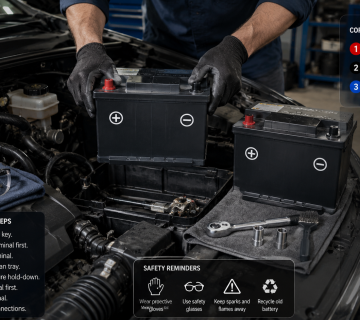
- A battery problem
If the charging system is not working properly, the vehicle may eventually lose electrical power and stop operating.
If the warning remains illuminated while driving, reduce unnecessary electrical usage where possible and have the charging system inspected.
Brake System Warning Light
A brake warning light may appear as an exclamation mark inside a circle or as another brake-related symbol, depending on the vehicle.
Possible causes include:
- The parking brake is engaged.
- Low brake fluid.
- A problem with the hydraulic braking system.
- Another brake system fault.
First, check whether the parking brake is fully released.
If the warning remains on or you notice changes in braking performance, do not ignore the problem. Brake-related issues can affect vehicle safety and may require immediate professional inspection.
ABS Warning Light
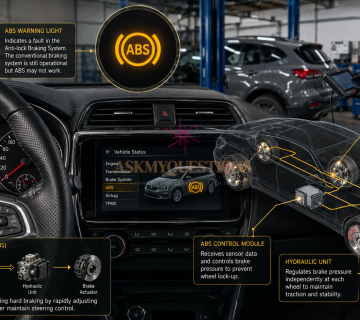
The Anti-lock Braking System (ABS) warning light usually displays the letters “ABS.”
ABS is designed to help prevent wheel lock during heavy braking under certain conditions.
If the ABS warning light appears, the conventional braking system may still function, but the anti-lock braking feature or related system may not operate correctly.
Because the exact behavior varies by vehicle, check the owner’s manual and arrange for inspection.
If the ABS light appears together with a red brake warning light, treat the situation more seriously and seek assistance immediately.
Tyre Pressure Warning Light
The tyre pressure warning light, often associated with the Tyre Pressure Monitoring System (TPMS), commonly looks like a horseshoe-shaped symbol with an exclamation mark.
This warning may indicate:
- Low tyre pressure in one or more tyres
- A puncture or air leak
- A problem with the TPMS
Check your tyres as soon as it is safe to do so.
Inflate them according to the pressure recommended by the vehicle manufacturer, not simply the maximum pressure printed on the tyre sidewall.
If a tyre is visibly damaged or rapidly losing air, do not continue driving on it unless necessary for immediate safety.
Traction Control or Stability Control Light
This warning often shows a car with wavy lines beneath it.
The symbol may flash when the traction or stability control system is actively helping the driver maintain control.
If the light flashes briefly while driving on a slippery surface, this may simply indicate that the system is operating.
However, if the light remains illuminated continuously, it may indicate that the system has been turned off or that a fault has been detected.
Refer to your owner’s manual for the specific meaning in your vehicle.
Airbag Warning Light
The airbag warning light typically shows a seated person with a circular airbag symbol.
If the light remains illuminated after the vehicle starts, it may indicate a problem with the airbag or supplemental restraint system.
Because airbags are an important safety feature, this warning should be inspected by a qualified technician.
Do not assume that the airbag system will operate correctly if the warning light remains on.
Power Steering Warning Light
Some vehicles have a warning light for the power steering system.
The symbol may resemble a steering wheel, sometimes with an exclamation mark.
A problem with power steering may make the steering wheel more difficult to turn.
If steering suddenly becomes unusually heavy or difficult, reduce speed safely and stop when appropriate.
Because steering is critical to vehicle control, the problem should be inspected before normal driving continues.
Low Fuel Warning Light
The low fuel light is one of the most familiar dashboard indicators.
It means that the fuel level is low and the vehicle should be refueled soon.
The remaining driving distance varies depending on the vehicle, driving conditions, and fuel consumption. Avoid assuming that you can travel a fixed number of kilometres after the warning light appears.
Running completely out of fuel can leave you stranded and may cause additional problems in some vehicles.
Seat Belt Warning Light
The seat belt warning light reminds the driver or passengers to fasten their seat belts.
In some vehicles, it may be accompanied by an audible alert.
Always wear your seat belt properly and ensure passengers are appropriately restrained.
Door or Boot Open Warning Light
This symbol indicates that a door, boot, bonnet, or another access point may not be properly closed.
Stop safely and check that all doors and panels are securely closed before continuing your journey.
Why You Should Not Ignore Warning Lights
Dashboard warning lights are part of your vehicle’s communication system. Ignoring them can allow a small problem to become more serious.
For example:
- Ignoring an overheating warning may lead to major engine damage.
- Ignoring low oil pressure may damage internal engine components.
- Ignoring a brake warning can create a serious safety risk.
- Ignoring a charging warning may leave you stranded when the vehicle loses electrical power.
The best response depends on the symbol, its color, whether it is flashing, and how the vehicle is behaving.
Pay attention to unusual sounds, smoke, burning smells, changes in steering or braking, and changes in engine performance.
What Should You Do When a Warning Light Appears?
Follow these general steps:
- Stay calm and avoid sudden movements.
- Identify the warning symbol.
- Check the warning color.
- Look for additional messages on the dashboard.
- Pay attention to how the vehicle is operating.
- Pull over safely if the warning appears serious.
- Consult the vehicle owner’s manual.
- Seek professional help when necessary.
Never continue driving simply because the vehicle still appears to move normally. Some problems can cause damage before the driver notices obvious changes in performance.
Final Thoughts
Vehicle dashboard warning lights provide important information about the condition and operation of your car. While green and blue indicators usually show that a feature is active, yellow or amber lights often indicate that a system needs attention, and red warnings can signal a potentially serious problem.
Some of the most important warnings to understand include the check engine light, engine temperature warning, oil pressure warning, battery or charging warning, brake warning, ABS warning, tyre pressure warning, and airbag warning.
The exact meaning of each symbol can vary between manufacturers and vehicle models. For this reason, always consult your vehicle owner’s manual for model-specific information.
Responding quickly and appropriately to warning lights can help protect your vehicle, reduce the risk of expensive repairs, and improve safety on the road.
KEYNOTES
1. What do red dashboard warning lights mean?
Red warning lights generally indicate a serious problem or a condition requiring immediate attention. Depending on the symbol, you may need to stop the vehicle safely and turn off the engine.
2. Can I drive with the check engine light on?
It depends on the vehicle and the cause. A steady check engine light may allow limited driving, but the problem should be diagnosed. A flashing check engine light can indicate a more urgent issue.
3. What should I do if my engine temperature warning light comes on?
Pull over safely when possible and turn off the engine. Allow it to cool completely, and never open the radiator or coolant cap while the engine is hot.
4. Does the battery warning light always mean I need a new battery?
No. It may indicate a problem with the charging system, including the alternator, wiring, battery connections, or drive belt.
5. Is it safe to drive with the ABS warning light on?
The regular braking system may still operate, but the ABS feature may not function correctly. Check your owner’s manual and have the system inspected.
6. What does the tyre pressure warning light mean?
It may indicate that one or more tyres have low pressure or that there is a problem with the tyre pressure monitoring system.
7. Why is my traction control light flashing?
A flashing traction control or stability control light may indicate that the system is actively working to help maintain traction.
8. Should I ignore a warning light if it disappears?
Not necessarily. An intermittent warning light can still indicate a developing problem. If it appears repeatedly, have the vehicle inspected.
Looking for more helpful information? Check out the highlighted links throughout this article for detailed guides, or explore our blog for additional tutorials, expert tips, and useful resources. At AskMyQuestions.com, we provide practical, easy-to-follow content designed to help you learn more, solve common problems, and stay informed.
Visit AskMyQuestions.com and explore more today!