ABS Warning Light: What It Means and What to Do
What Is ABS?
ABS stands for Anti-lock Braking System.
It is a vehicle safety system designed to help prevent the wheels from locking during heavy or emergency braking. When a wheel locks completely, it may lose traction and make it more difficult for the driver to maintain steering control.
ABS monitors wheel movement and can rapidly adjust braking pressure when it detects that one or more wheels may be about to lock.
This process happens automatically and can occur very quickly.
During an ABS event, the driver may feel a pulsing sensation through the brake pedal. Depending on the vehicle and road conditions, this can be a normal part of ABS operation.
The purpose of ABS is not simply to make the car stop instantly. One of its important functions is to help the driver maintain steering control during heavy braking when the system is operating.
What Does the ABS Warning Light Look Like?
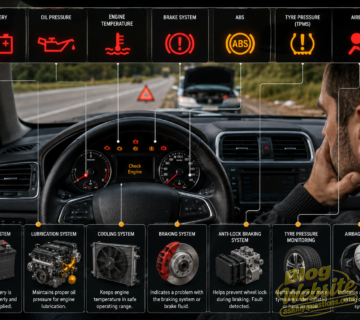
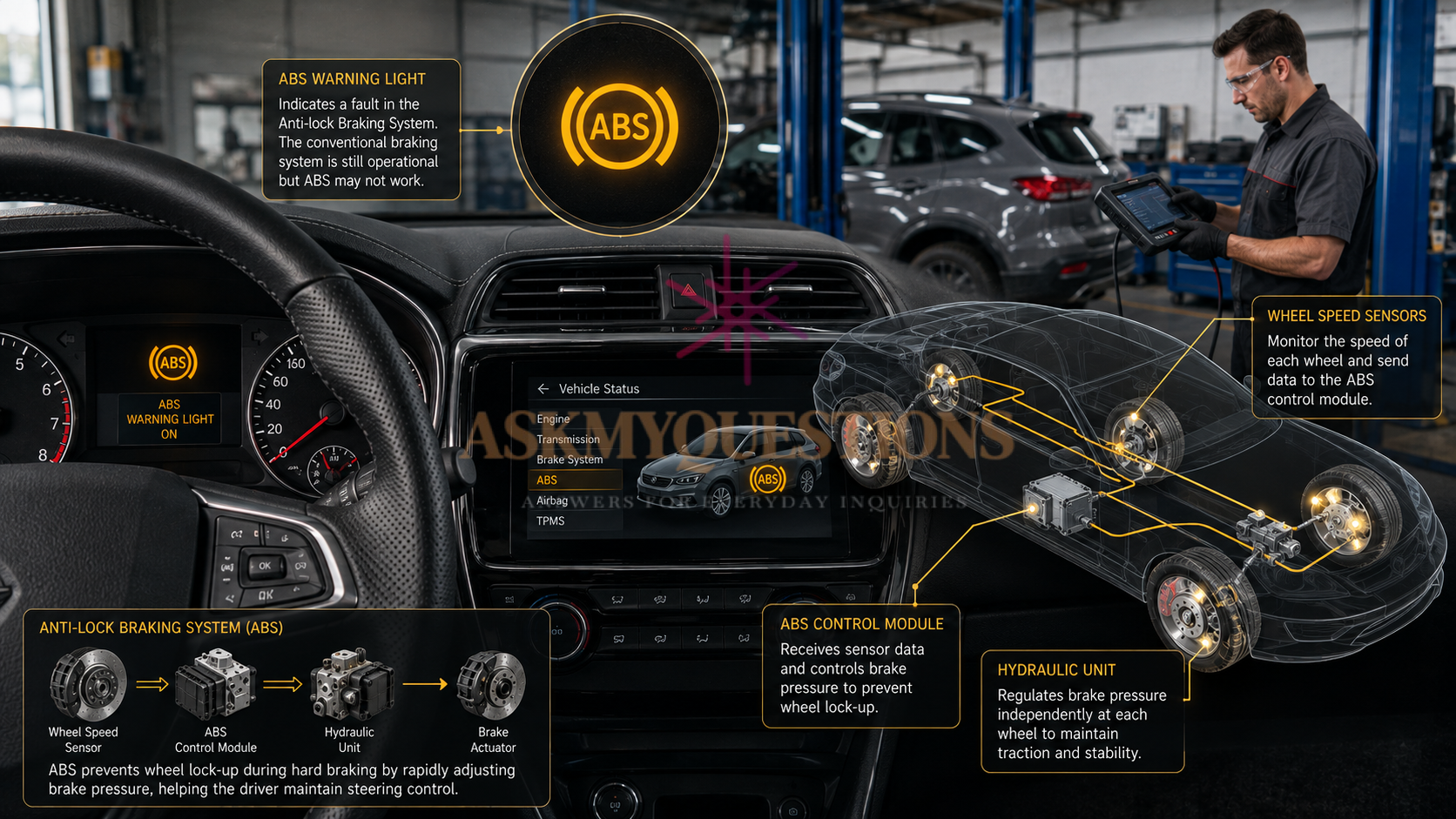
The ABS warning light usually displays the letters: ABS
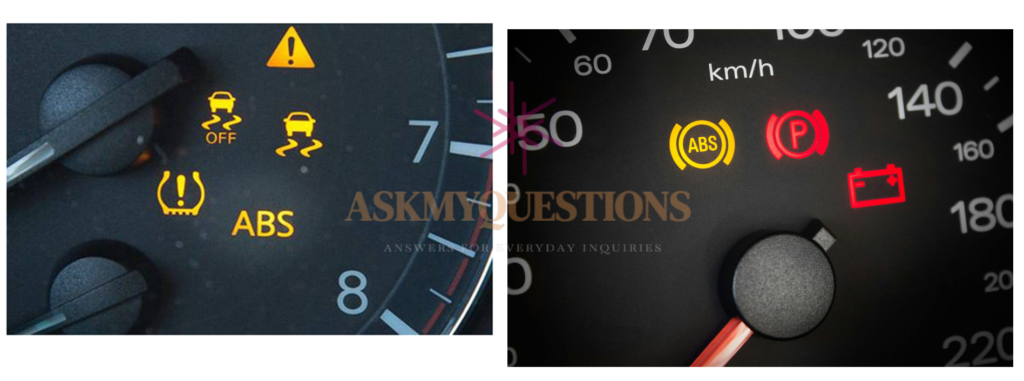
The letters are often shown inside a circle or other brake-related symbol, depending on the vehicle as shown in the images above.
When you start your vehicle, the ABS light may briefly illuminate as part of the dashboard’s normal self-check process. If the light turns off after the vehicle starts, this generally indicates that no ABS fault has been detected during that initial check.
However, if the ABS warning light remains illuminated or appears while driving, the vehicle may have detected a fault.
The warning should not be ignored.
What Happens When the ABS Warning Light Comes On?
When the ABS warning light remains on, the vehicle may disable the anti-lock braking function to prevent the system from operating incorrectly.
In many vehicles, the normal braking system may continue to work, but ABS assistance may not be available.
This means that during hard braking, especially on wet, slippery, or loose surfaces, the wheels may be more likely to lock because the ABS system may not be functioning.
However, the exact behavior depends on the vehicle and the nature of the fault.
If the ABS warning light appears together with a red brake warning light, or if you notice reduced braking performance, a soft brake pedal, unusual noises, or other serious symptoms, treat the situation as more urgent and stop the vehicle safely when possible.
Common Causes of the ABS Warning Light
Several different problems can trigger an ABS warning light.
1. Faulty Wheel Speed Sensor commonly known as ABS sensors
One of the most common causes is a problem with a wheel speed sensor which is behing the wheel hub area.
ABS uses sensors to monitor how quickly each wheel is rotating. If one sensor provides incorrect information or stops working, the ABS system may not be able to accurately monitor wheel movement.
The vehicle may then activate the ABS warning light.
Wheel speed sensors can fail because of:
- Damage
- Dirt or debris
- Corrosion
- Wiring problems
- Normal wear over time
Watch the video below illustrating how to check Wheel Speed Sensors, commonly known as ABS sensors:
2. Damaged Wiring or Electrical Connections
The ABS system depends on electrical wiring and connectors.
Damaged wires, loose connectors, or corrosion can interrupt communication between sensors and the ABS control system.
Problems may sometimes appear intermittently, meaning the warning light could turn on and off.
Electrical faults should be properly diagnosed rather than repaired using temporary or unsafe wiring methods.
3. A Faulty ABS Control Module

The ABS control module receives information from wheel sensors and controls the operation of the system.
If the module develops a fault, the ABS warning light may remain illuminated.
Because control module problems can require specialized diagnostic equipment, professional diagnosis may be necessary.
4. A Blown Fuse or Faulty Relay
Depending on the vehicle, the ABS system may use fuses and electrical control components.
A blown fuse or electrical fault can interrupt power to part of the system and trigger the ABS warning light.
If a fuse repeatedly blows, simply replacing it may not solve the problem. A repeated failure can indicate an underlying electrical issue.
5. Problems With the ABS Hydraulic Unit
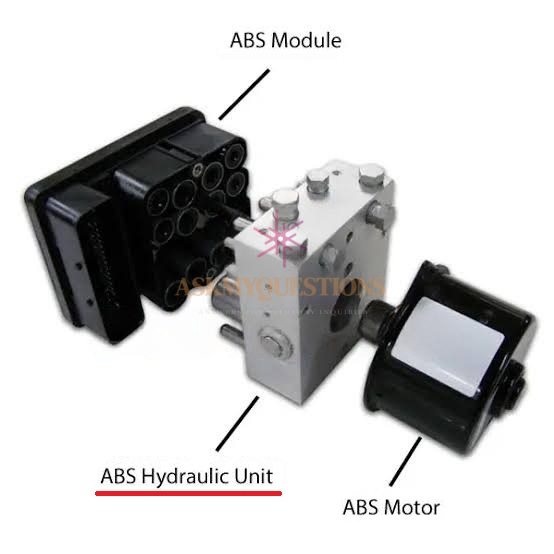
The ABS hydraulic unit is a component of the ABS control module. It contains the hydraulic valves and pump that regulate brake pressure to each wheel during ABS operation. The ABS system may use hydraulic components to control braking pressure during an ABS event.
A fault involving the hydraulic control unit, pump, or related components can trigger a warning light.
These components are part of an important vehicle safety system and should be inspected by a qualified technician.
6. Low Voltage or Electrical System Problems
In some vehicles, low system voltage or charging problems can affect electronic control systems and trigger warning lights.
A weak battery, charging problem, poor electrical connection, or other voltage-related issue may contribute to an ABS warning.
However, the exact cause should be confirmed through proper diagnosis rather than assuming the battery is responsible.
Is It Safe to Drive With the ABS Warning Light On?
In many vehicles, you may still have normal braking even when the ABS warning light is illuminated. However, the anti-lock braking function may not work.
Whether it is safe to continue driving depends on several factors, including:
- Whether other warning lights are illuminated
- How the brake pedal feels
- Whether braking performance has changed
- The road and weather conditions
- The specific instructions provided by the vehicle manufacturer
If the ABS light is the only warning and the vehicle appears to brake normally, it may be possible to drive carefully to a repair facility. However, you should arrange for the problem to be inspected as soon as practical.
If the ABS light appears with a red brake warning light, or if braking feels abnormal, stop driving as soon as you can do so safely and seek professional assistance.
ABS Warning Light vs. Brake Warning Light
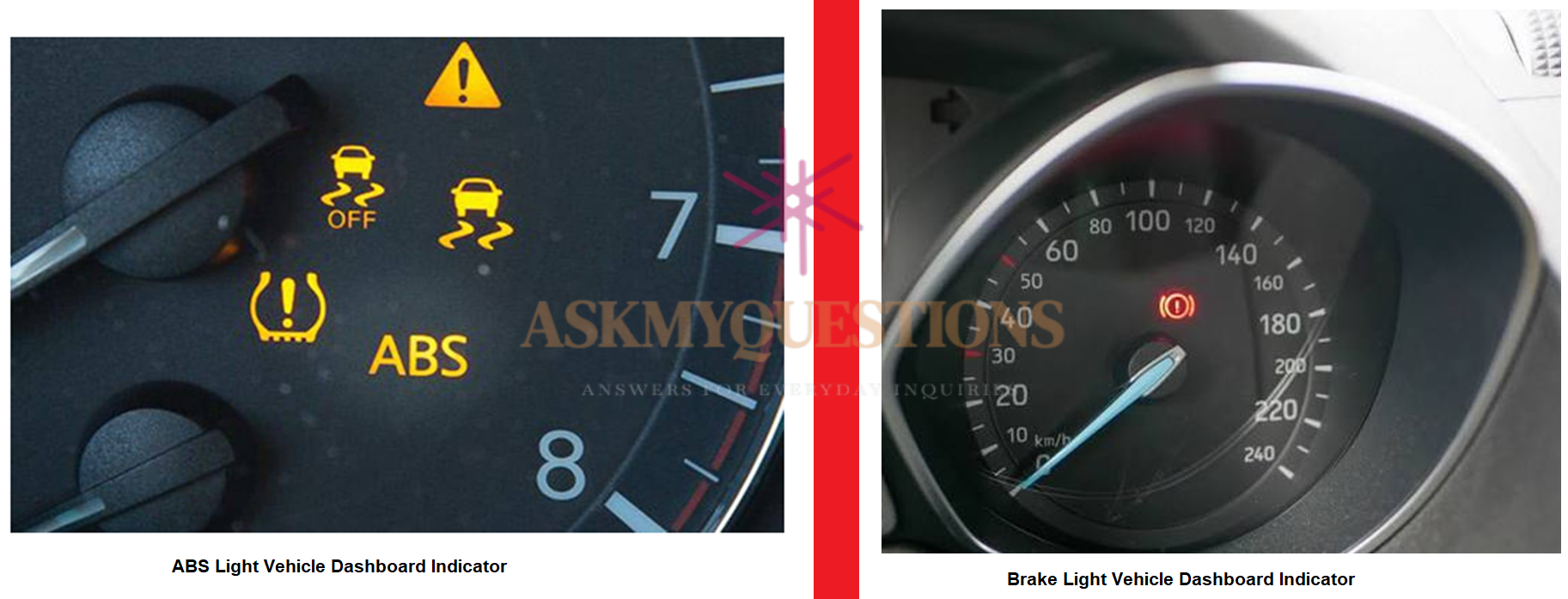
It is important not to confuse the ABS warning light with the main brake system warning light.
The ABS warning light generally indicates a problem with the Anti-lock Braking System.
A red brake warning light may indicate other issues, such as:
- The parking brake being engaged
- Low brake fluid
- A fault in the main braking system
If both the ABS and red brake warning lights appear together, the problem may be more serious.
Because braking is critical to vehicle safety, do not ignore multiple brake-related warnings.
What Should You Do When the ABS Warning Light Comes On?
Follow these steps:
1. Stay Calm
Do not panic or suddenly apply the brakes.
Pay attention to how the vehicle is behaving and whether the brakes feel normal.
2. Check for Other Warning Lights
Look for additional warnings, especially a red brake warning light, battery warning light, or other serious dashboard messages.
Multiple warning lights can help indicate whether the problem requires immediate attention.
3. Check Your Owner’s Manual
Your vehicle owner’s manual can explain the specific ABS warning symbol and provide manufacturer recommendations.
This is especially important because dashboard systems can vary between vehicles. When we refer to the vehicle owner’s manual, we are not necessarily referring to a physical paper booklet that comes with the vehicle. Today, many vehicle owner’s manuals are available online.
If you need to find information specific to your vehicle, you can search online using the vehicle make, model, year, and country. For example, you could search for:
Toyota Corolla 2020 owner’s manual UK
Always try to use the official manufacturer’s manual where possible, as specifications and procedures can vary between different models, years, and countries
4. Drive Carefully if the Brakes Feel Normal
If the ABS warning is the only warning and braking performance appears normal, drive cautiously and avoid unnecessary hard braking until the vehicle can be inspected.
Remember that the anti-lock braking feature may not be available.
5. Have the Vehicle Diagnosed
Having your vehicle diagnosed is an important step that should be carried out as soon as possible when a warning light appears or you notice a potential fault. Prompt diagnosis can help identify the cause of the problem before it develops into a more serious and expensive repair. A proper diagnostic check can determine whether the issue is caused by a sensor, wiring, control module, or another component, helping ensure that the correct repair is carried out without unnecessary parts replacement.
How Is an ABS Problem Diagnosed?
Proper ABS diagnosis may involve several steps.
A technician may:
- Read diagnostic trouble codes.
- Inspect wheel speed sensors.
- Check sensor wiring and connectors.
- Test electrical circuits.
- Inspect fuses and related components.
- Examine the ABS control module.
- Inspect the braking system for related problems.
Replacing parts without confirming the actual cause can waste money and may fail to solve the problem.
For example, the warning light may suggest a wheel sensor issue, but the actual problem could be damaged wiring or a poor electrical connection.
Can You Reset the ABS Warning Light?
The ABS warning light may turn off after the underlying problem has been repaired and the system completes its checks.
Depending on the vehicle, a diagnostic tool may also be required to clear stored fault codes after a repair.
Simply clearing the warning light without fixing the underlying problem is not a solution. If the fault remains, the warning light may return.
Avoid disconnecting the battery or repeatedly resetting warning lights as a substitute for diagnosing a braking-related problem.
How Can You Help Prevent ABS Problems?
Not all ABS failures can be prevented, but regular vehicle maintenance may help identify problems early.
Useful practices include:
- Keeping up with routine brake maintenance.
- Inspecting wiring and connectors during vehicle servicing.
- Addressing warning lights promptly.
- Checking for corrosion or physical damage around wheel components.
- Maintaining the vehicle’s battery and charging system.
- Following the manufacturer’s maintenance recommendations.
If your vehicle has recently experienced wheel, suspension, or brake repairs and the ABS warning light appears afterward, have the work inspected to ensure sensors and wiring were properly reconnected.
When Should You Stop Driving?
Stop driving and seek help if:
- The ABS warning light appears with a red brake warning light.
- The brake pedal feels unusually soft or difficult to operate.
- Braking performance is reduced.
- You hear serious or unusual noises when braking.
- The vehicle pulls strongly when the brakes are applied.
- You receive an urgent brake-related warning message.
Always prioritize safety. If you are uncertain about the condition of your vehicle’s braking system, have it inspected by a qualified automotive professional.
In Summary
The ABS warning light indicates that your vehicle may have detected a problem with the Anti-lock Braking System or a related component. Common causes include faulty wheel speed sensors, damaged wiring, electrical problems, blown fuses, and faults involving the ABS control module or hydraulic components.
In many cases, normal braking may still be available, but the ABS feature may be disabled. This can affect how the vehicle behaves during heavy braking, particularly on slippery surfaces.
The most important thing is not to ignore the warning. Check for other dashboard alerts, pay attention to braking performance, consult your vehicle owner’s manual, and arrange for a proper diagnosis.
If the ABS warning appears together with a red brake warning light or you notice a change in braking performance, stop driving safely and seek professional assistance. Prompt attention to braking and safety-system warnings can help protect both your vehicle and everyone on the road.
KEYNOTES
1. What does the ABS warning light mean?
It generally means the vehicle has detected a fault in the Anti-lock Braking System or a related component.
2. Can I still drive with the ABS light on?
In many vehicles, normal braking may still work, but the anti-lock braking function may be unavailable. Drive carefully and have the vehicle inspected as soon as practical.
3. What is the most common cause of an ABS warning light?
A faulty wheel speed sensor or a problem with its wiring is a common cause.
4. Will low brake fluid cause the ABS light to come on?
It can be associated with brake or warning-system problems in some vehicles, but the exact cause depends on the vehicle and should be diagnosed properly.
5. Can a weak battery cause the ABS warning light?
Low system voltage or electrical problems can affect electronic vehicle systems in some cases. However, the warning should be properly diagnosed before assuming the battery is the cause.
6. Why are my ABS and brake warning lights on at the same time?
This may indicate a more serious braking-related problem. Stop driving safely if braking feels abnormal and have the vehicle inspected promptly.
7. Can I reset the ABS warning light myself?
The light may turn off after the underlying fault is repaired. Some vehicles may require diagnostic equipment to clear stored fault codes.
8. How much does it cost to fix an ABS problem?
The cost varies significantly depending on the vehicle and the faulty component. A wheel speed sensor repair may cost less than replacing an ABS control module or hydraulic unit.
Interested in Learning More? Explore our in-depth guides by clicking the highlighted links throughout this article, or browse our blog for additional tutorials, tips, and resources. You’ll find practical information to help you expand your knowledge and stay informed. VISIT WWW.ASKMYQUESTIONS.COM