What Is a Tubular Battery?
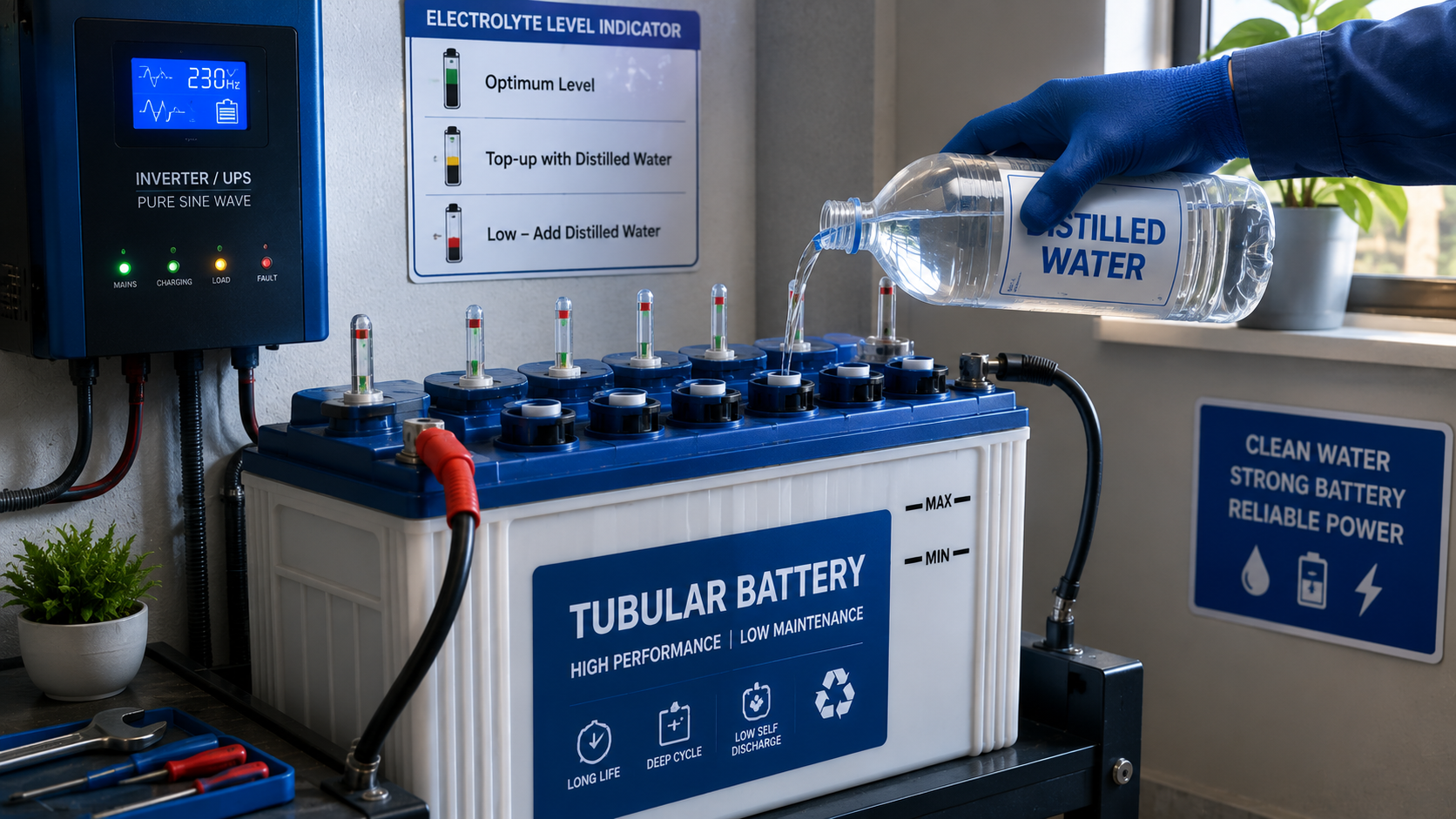
A tubular battery is a type of deep-cycle lead-acid battery commonly used for backup power and renewable-energy applications. It contains positive plates constructed with tubular structures that help hold the active material in place.The battery contains an electrolyte, which is a mixture of sulfuric acid and water. During normal operation, chemical reactions between the plates and electrolyte produce electrical energy. When the battery is charged and discharged, some water is lost, particularly through electrolysis and evaporation. This is why certain flooded tubular batteries require periodic topping up with distilled or deionized water.
In simplified terms, a tubular battery is a type of lead-acid battery often used for backup power or renewable energy. It has positive plates shaped like tubes to keep the active material secure. Inside, there is a mix of sulfuric acid and water called an electrolyte. This mixture helps create electricity through chemical reactions. When used, some water is lost, so certain types need occasional refilling with distilled water.
Why Is Distilled Water Used?
Distilled water is water that has been purified to remove most dissolved minerals, salts, and other impurities.
Ordinary tap water may contain minerals such as calcium, magnesium, iron, and other dissolved substances. Introducing these impurities into a lead-acid battery can affect the electrolyte and contribute to unwanted deposits or chemical reactions.
Distilled water is therefore preferred because it adds water without introducing significant quantities of additional minerals.
The important point is that distilled water is used to replace water lost from the electrolyte; it is not used to replace the sulfuric acid.
Battery owners should never attempt to add acid simply because the electrolyte level appears low unless a qualified battery professional or the battery manufacturer specifically instructs them to do so.
When Should You Add Distilled Water?
The correct maintenance interval depends on the battery, charging system, temperature, usage, and manufacturer specifications.
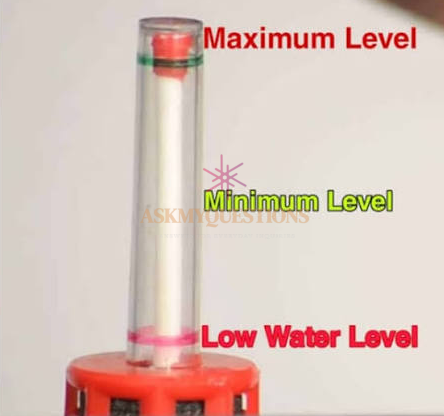
Before adding water, inspect the battery according to the manufacturer’s instructions. Many flooded tubular batteries have level indicators showing the minimum and maximum electrolyte levels.
If the electrolyte level has fallen below the recommended level, distilled water may be required. However, avoid overfilling because the electrolyte expands when the battery becomes warm or is being charged.
It is also important to understand that the battery should generally be topped up at the appropriate stage recommended by the manufacturer. Adding water at the wrong time can cause the electrolyte to overflow.
Always consult the battery manufacturer’s instructions for the correct procedure.
How to Check the Water Level
If your tubular battery has removable vent caps and is designed for maintenance, check the electrolyte level regularly.
Before inspecting the battery, make sure the area is well ventilated and follow appropriate safety precautions. Do not smoke or create sparks near a charging lead-acid battery.
Look at the electrolyte level inside each cell. Depending on the battery design, there may be a level indicator or a recommended range.
If the level is below the manufacturer’s specified minimum, add the recommended amount of distilled water carefully. Do not fill beyond the maximum level.
If you are unsure about the correct level, consult the battery manual or a qualified technician instead of guessing.(check image below)
What Happens If the Battery Runs Low on Water?
When the electrolyte level becomes too low, parts of the battery plates may become exposed. This can cause overheating and damage during charging. Lead-acid batteries can also produce hydrogen gas, which is highly flammable. If hydrogen accumulates and encounters a spark or ignition source, it can cause a fire or explosion.
This is particularly important in inverter systems that operate batteries regularly. A battery that is repeatedly discharged and recharged needs appropriate maintenance to remain reliable.
However, running low on water does not automatically mean the battery will catch fire. The risk depends on factors such as the battery’s condition, charging system, ventilation, and whether there is an ignition source nearby.
If you discover that the electrolyte has been extremely low for an extended period, adding water may not completely restore the battery. Professional inspection may be necessary.
Can You Add Too Much Distilled Water?
Yes. Overfilling a battery is also a problem.
When a battery charges, the electrolyte can warm up and expand. If the cells are filled too high, electrolyte may spill or be pushed out through the vents.
Battery acid is corrosive and can damage nearby surfaces, wiring, clothing, and skin.
For this reason, never fill cells to the top of the battery casing. Follow the manufacturer’s specified level and use the appropriate indicators where provided.
Distilled Water and Battery Charging
Charging behavior can influence how frequently a tubular battery needs water.
An unsuitable charging voltage or prolonged overcharging can increase water loss and cause excessive gassing. If you repeatedly need to add water much more frequently than recommended, the issue may not simply be normal water consumption.
The charging system, inverter settings, battery temperature, and battery condition may need to be checked.
Using the correct charging settings is therefore just as important as maintaining the electrolyte level.
Safety Precautions
Battery maintenance should always be performed carefully. Lead-acid batteries contain corrosive sulfuric acid and can produce hydrogen gas during charging.
Wear appropriate protective equipment, keep flames and sparks away from the battery, and work in a well-ventilated area.
Never touch battery electrolyte with bare hands. If electrolyte comes into contact with skin or eyes, follow appropriate emergency first-aid procedures and seek medical attention when necessary.
If you are uncomfortable opening or servicing a battery, have a qualified technician perform the maintenance.
How Proper Maintenance Can Extend Battery Life
Regular maintenance does not guarantee a specific battery lifespan, but it can help prevent avoidable problems.
Keeping the electrolyte at the correct level, using suitable water, maintaining clean terminals, avoiding excessive discharge, and ensuring the inverter uses appropriate charging settings can all contribute to better battery performance.
Battery maintenance should be viewed as part of a larger system. Even a high-quality tubular battery can suffer premature failure if it is consistently overcharged, deeply discharged, overheated, or poorly maintained.
A well-maintained tubular battery typically lasts about 4–7 years, although some high-quality batteries can last 7–10 years or more under favorable conditions.
Conclusion
Distilled water plays an important role in maintaining many flooded tubular batteries. It replaces water lost from the electrolyte without introducing the minerals and impurities commonly found in untreated water.
However, adding distilled water is only one part of proper battery care. Battery owners should monitor electrolyte levels, avoid overfilling, use the correct charging settings, maintain good ventilation, and follow the manufacturer’s maintenance instructions.
Most importantly, always confirm that your particular battery is a flooded, water-maintenance type before adding anything. Sealed and maintenance-free batteries (Quantum & Lithium Batteries) should not be opened or topped up unless specifically designed for that procedure.
With proper knowledge and regular care, a tubular battery can provide more reliable service for an inverter or backup power system.
KEYNOTES
1. Why is distilled water used in tubular batteries?
Distilled water is used to replace water lost from the electrolyte while minimizing the introduction of minerals and impurities that can be present in ordinary water.
2. Can I use tap water in a tubular battery?
Tap water is generally not recommended. It can contain dissolved minerals and impurities that may negatively affect battery performance over time. Use distilled or manufacturer-approved purified water instead.
3. Should I add acid when the battery water is low?
Generally, no. Routine topping up involves replacing lost water, not adding sulfuric acid. Follow the battery manufacturer’s instructions or consult a qualified technician if the battery has suffered electrolyte loss.
4. How often should I add distilled water?
There is no universal interval. Water consumption depends on the battery, charging system, temperature, usage, and condition. Check the electrolyte level according to the manufacturer’s recommended maintenance schedule.
5. Can I overfill a tubular battery?
Yes. Overfilling can cause electrolyte to spill or overflow during charging. Always maintain the level within the manufacturer’s recommended range.
6. Can I add distilled water to a sealed battery?
Do not open or add water to a sealed or maintenance-free battery unless the manufacturer specifically says it is designed for servicing.
7. Why does my battery lose water quickly?
Rapid water loss may be caused by high charging voltage, overcharging, excessive heat, heavy usage, or a battery fault. If water consumption seems unusually high, have the charging system and battery checked.
8. Does distilled water make a weak battery strong again?
No. Distilled water only replaces lost water in a suitable flooded battery. It cannot repair damaged plates, severe sulfation, or other internal battery faults.
Interested in learning more? Explore our in-depth guides by clicking the highlighted links throughout this article, or browse our blog for additional tutorials, tips, and resources. You’ll find practical information to help you expand your knowledge and stay informed. VISIT WWW.ASKMYQUESTIONS.COM